ΑΠΟ ΜΗΝΑ ΣΕ ΜΗΝΑ
- ΟΚΤΩΒΡΙΟΣ 2026Πυρκαγιές στον Άγιο Νικόλαο Σμύνου Ανατολικής Μάνης και στη Στούπα. Α) Πυρκαγιά ξέσπασε στις 23 Αυγούστου σε δασική έκταση στον Άγιο Νικόλαο της Δημοτικής Κοινότητας Σμύνου του Δήμου Ανατολικής Μάνης. Όπως έγινε γνωστό από την Πυροσβεστική, … Συνέχεια ανάγνωσης ΟΚΤΩΒΡΙΟΣ 2026
- ΣΕΠΤΕΜΒΡΙΟΣ 2026Και Μανιάτες στις πρόσφατες προαγωγές σε αντιπροέδρους των Ανωτάτων Δικαστηρίων Ειδικότερα, από το Συμβούλιο της Επικρατείας μεταξύ των έξι συμβούλων που προήχθησαν σε αντιπροέδρους περιλαμβάνεται η σύμβουλος Επικρατείας Παρασκευή Μπραΐμη. Κοιτίδα της οικογένειας Μπραΐμη είναι η … Συνέχεια ανάγνωσης ΣΕΠΤΕΜΒΡΙΟΣ 2026
- ΑΥΓΟΥΣΤΟΣ 2026Παρέμβαση του Επιμελητηρίου Περιβάλλοντος και Βιωσιμότητος στη διαβούλευση για το νέο Ειδικό Χωροταξικό των ΑΠΕ Το Επιμελητήριο Περιβάλλοντος και Βιωσιμότητας, με εκτενή παρέμβαση της προέδρου του, Αντιπροέδρου του ΣτΕ ε.τ. Μαρίας Καραμανώφ, των νομικών Γεωργίου Χριστοφορίδη … Συνέχεια ανάγνωσης ΑΥΓΟΥΣΤΟΣ 2026
- ΙΟΥΛΙΟΣ 2026Διπλό Χρυσό Μετάλλιο του φετινού διεθνoύς διαγωνισμού ελαιολάδου ΑΤΗΕΝΑ 2026 πήρε η εταιρεία Liokareas της Λαγκάδας Η11η διοργάνωση του Διεθνούς Διαγωνισμού Ελαιολάδου ATHENA, που πραγματοποιήθηκε στις 2, 3 και 4 Μαΐου 2026 στην Αθήνα, εισήγαγε τον … Συνέχεια ανάγνωσης ΙΟΥΛΙΟΣ 2026
- ΙΟΥΝΙΟΣ 2026Μεγάλο ενδιαφέρον για το 12ο Φεστιβάλ Ελαιολάδου & Επιτραπέζιας Ελιάς Καλαμάτας Με σημαντική προσέλευση και επίκαιρη θεματολογία διεξάχθηκαν οι εργασίες του ετήσιου, 12ου Φεστιβάλ Ελαιολάδου & Επιτραπέζιας Ελιάς Καλαμάτας, που διοργανώθηκε από τον Αγροτικό Συνεταιρισμό Καλαμάτας, … Συνέχεια ανάγνωσης ΙΟΥΝΙΟΣ 2026
ΕΠΙΧΕΙΡΗΜΑΤΙΚΗ ΔΡΑΣΤΗΡΙΟΤΗΤΑ
- ΚΟΜΜΩΤΗΡΙΟ Βούλας Μποτσέα στην Καρδαμύλη
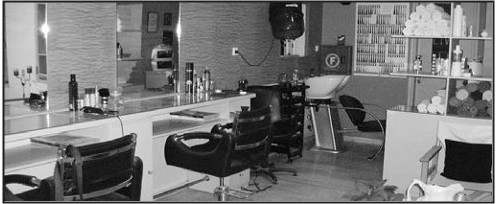
Στην Καρδαμύλη σε μια ήσυχη γειτονιά, δίπλα σε άλλα καταστήματα διαφορετικών επαγγελματικών δραστηριοτήτων, βρίσκεται το κομμωτήριο της Βούλας. Διπλωματούχος της κομμωτικής τέχνης των εκπαιδευτηρίων Αμάραντου, εγκαταστάθηκε στην Καρδαμύλη πριν από δεκατρία χρόνια.
Αναλαμβάνει κουρέματα παιδιών, ανδρών, γυναικών, χτενίσματα, βαψίματα, κ.λπ. Παράλληλα ασχολείται με την γυναικεία ομορφιά και γενικότερα με τη γυναικεία εμφάνιση, παρέχοντας υπηρεσίες υψηλής ποιότητας, με προσωπική προσέγγιση σε κάθε πελάτη χωρίς διακρίσεις, με αίσθημα ευθύνης και σεβασμού.
Τα είδη που χρησιμοποιεί στην εργασία της είναι των καλύτερων εταιριών της παγκόσμιας αγοράς με άριστη σχέση κόστους – ποιότητας, προϊόντα που διασφαλίζουν επιτυχημένο και ασφαλές αποτέλεσμα.
Αισθάνεται ικανοποιημένη από την εργασία της γιατί σέβεται τον πελάτη, ο οποίος της ανταποδίδει την προτίμησή του, φεύγοντας ευχαριστημένος, προσερχόμενος ξανά και ξανά, αλλά και συστήνοντας την ποιότητα της εργασίας της στο ευρύτερο οικογενειακό και φιλικό του περιβάλλον. Πιστεύει ότι η σχέση της με το κοινό που την επισκέπτεται δεν είναι σχέση μιας χρήσης αλλά διαρκής, δίνοντάς του μια ξεχωριστή αίσθηση ζεστασιάς και οικειότητας, γιατί εκείνο που την ενδιαφέρει περισσότερο είναι μέσα από τη δίψα για κέρδοςνα μην χαθεί η ανθρωπιά και η ευγένεια.
Κινείται περισσότερο με τον ντόπιο πληθυσμό. Κατά τους καλοκαιρινούς μήνες παρουσιάζεται μια κατακόρυφη αύξηση πελατών από τους παραθεριστές (Έλληνες και ξένους) που έρχονται για διακοπές στην περιοχή, αφού η Καρδαμύλη είναι ευρύτερα γνωστή τόσο για τις φυσικές της ομορφιές αλλά και για τα πολιτιστικά της μνημεία.
Οι ποιοτικές υπηρεσίες είναι η καλύτερη διαφήμιση για το κατάστημα, που ο κόσμος το εκτιμά και του το ανταποδίδει με την παρουσία του.
Αντώνης Ρουμανέας






MAIN ARTICLE IN ENGLISH
- POLITICAL ETHICS AS THE MAIN CRITERION IN ELECTORAL CHOICES
Engaging in public affairs is one of the main duties of citizens, especially those who, besides having the ability and willingness to work with others, also have organisational and administrative skills gained through their education and life experience. It is also perfectly legitimate for people to become involved in public affairs because they are ambitious, as long as they have the necessary qualifications mentioned above and their abilities match their ambitions. History shows that whenever these conditions have existed, societies have moved forward and their citizens have enjoyed greater prosperity and better living conditions.
These reflections are prompted by situations that occur quite often in our society and are closely related to people seeking election in local and parliamentary elections The organisational and political shifts that we often see before parliamentary elections are a clear sign that, in many cases, ambition is stronger than the ability to manage public affairs. They also suggest that candidates are motivated not only by ambition but by strong personal interests, which are not necessarily financial. This raises serious concerns regarding the country’s ability to be governed effectively in the near future, especially since this is an election year and an important period for achieving political stability.
Political ethics form the foundation of the progress of nations. This is proven by the history of different countries and regions. The prosperity enjoyed by societies where political ethics has been a constant feature of governance is directly tied to this principle. Unfortunately, in our country, this feature has not been firmly established. From time to time, deviations from the established political course reveal self-serving motives –whether personal or related to gaining votes – among people occupying senior positions within the political system. The limited political maturity of many people who are repeatedly and systematically exposed to political messages allows individuals with weak political ethics to reach positions of responsibility. The negative consequences of such choices are only a matter of time, while their underlying effects on the economy and society erode the quality of democracy.
The developments described above might, in other circumstances, be seen as temporary or accidental. In Greece, however, which is trying to regain stability after the recent decade-long economic crisis, caused at its height by the severe imbalance in public finances, they are a source of uncertainty about the future. They suggest that a significant part of the future political class is continuing practices that contributed to the collapse of the public sector. This makes it necessary to look more closely at the reasons behind these developments and, above all, to find ways of avoiding the negative consequences that may result from the practices now being followed.
In countries that have developed over time under conditions of social and economic stability, brief experiments with populist platforms create disruptions that are easily reversed; the same applies to cases of political corruption. In such countries, voters can compare the policies proposed by different political parties relatively quickly, and careful examination of those proposals helps them reach sound conclusions. In a country like ours, however, populist choices can be extremely damaging, because they may lead the country toward an uncertain future, with serious consequences for younger generations.
For these reasons, political ethics should be the main criterion when voters make their choices in the elections ahead. This should apply both to political parties and to the individuals who make up those parties. For these reasons, political ethics should be the main criterion when voters make their choices in the elections ahead. This should apply both to political parties and to the individuals who make up those parties, the foundation upon which the future of coming generations will be built.
Under the conditions of economic and social stability in which our country now finds itselt, voters have a duty to rise above narrow self-interests, friendships, and family ties. They must instead elect people who have shown, through their professional and personal lives, that they are able to work with others, get things done, and, above all, act with political integrity. In Mani, with its many settlements and sparse population, it is easier to distinguish between those who seek positions in state administration and local government. This makes it possible for voters to make their final choices with greater confidence.
THE EDITORIAL BOARD